Shipping Containers For Sale. New Or Used.

Buy a 20-foot, 40-foot, or high cube container with the condition grade, door access, delivery plan, taxes, and inspection expectations confirmed before approval.

Buy Or Route Elsewhere

Ownership is right when the container keeps working after the project ends.

This page focuses on purchase decisions. If the real need is temporary or agreement-led ownership, route there before asking a quote to solve the wrong problem.

Condition Grades

The grade should set the expectation before the truck arrives.

One-Trip, Cargo Worthy, and Wind & Watertight are not cosmetic adjectives. They are buying expectations that should appear in the quote.

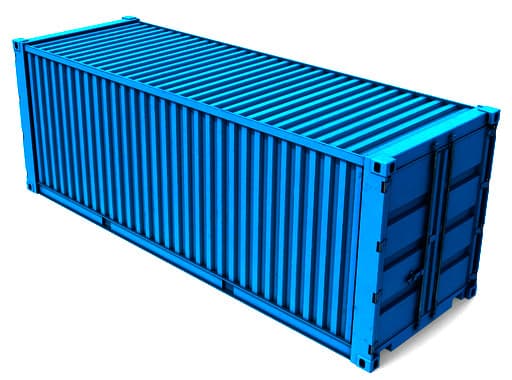
  • One-Trip new shipping container with blue paint

    New

    One-Trip

    The cleanest starting point for buyers who care about appearance, long life, and modification readiness.

    What it means
    Typically the least-used option: newer paint, cleaner flooring, and the lowest expectation of dents or patch history.
    What it does not mean
    It is still a freight container, so minor handling marks and delivery scuffs can exist and should be confirmed in the quote.
    Best for
    Visible residential sites, long-term ownership, higher-finish modifications, and buyers who want fewer cosmetic surprises.
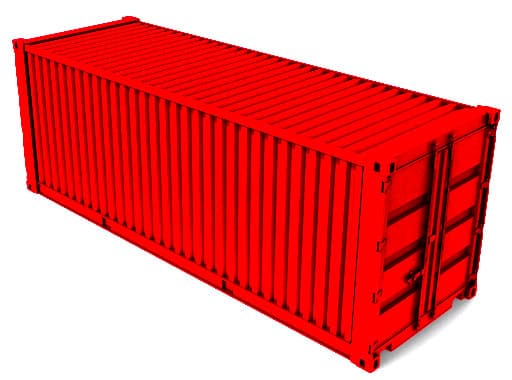
  • Cargo Worthy red shipping container

    Used

    Cargo Worthy

    A practical middle ground when the container needs transport-grade function without new-container pricing.

    What it means
    Built around structural usability and transport readiness after inspection, with working doors and weather-resisting seals.
    What it does not mean
    Cosmetic wear is expected: dents, surface rust, decals, patches, and floor wear may be part of the value tradeoff.
    Best for
    Contractor storage, farm and ranch use, business overflow, and buyers who care more about function than appearance.
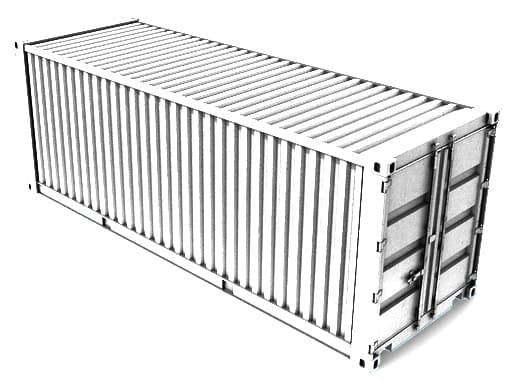
  • Wind and Watertight white shipping container

    Used

    Wind & Watertight

    The value tier for static storage when weather protection matters more than cosmetic condition.

    What it means
    Intended for stationary storage where the shell should keep wind and rain out at the time of sale.
    What it does not mean
    Not represented as export-ready. Appearance, patch history, and prior cargo wear can vary materially by unit.
    Best for
    Budget-sensitive static storage, lower-visibility yards, seasonal equipment, and buyers who accept visible wear.
Visible Product Lineup

Shop by size, condition, and the decision each option supports.

This is the page-visible product set used for structured data. It does not publish price, availability, or Offer schema because those values must be confirmed by current inventory and written quote.

Full dimension reference
ContainerConditionDecision fit
20ft One-Trip Shipping ContainerNew / One-Trip

A compact owned container for residential storage, tighter delivery sites, small-business overflow, and clean modification starts.

Best when site footprint matters and appearance still matters.

20ft Cargo Worthy Shipping ContainerUsed / Cargo Worthy

A functional used 20-foot container for buyers who want compact ownership with transport-grade inspection standards.

Best when function matters more than new-container cosmetics.

20ft Wind & Watertight Shipping ContainerUsed / Wind & Watertight

A value-focused static storage container for compact sites where weather protection is the main requirement.

Best for budget-sensitive storage with accepted cosmetic wear.

40ft One-Trip Shipping ContainerNew / One-Trip

A larger clean container for permanent business storage, larger residential projects, and modification-ready ownership.

Best when capacity and long-term appearance both matter.

40ft Cargo Worthy Shipping ContainerUsed / Cargo Worthy

A high-capacity used container for jobsite, farm, ranch, and business storage where structural function is the priority.

Best for durable owned storage at a lower quoted tier than One-Trip.

40ft Wind & Watertight Shipping ContainerUsed / Wind & Watertight

A value-oriented 40-foot static storage option when the buyer accepts visible wear and wants maximum enclosed volume.

Best for low-visibility storage where the written condition expectation is clear.

40ft High Cube One-Trip Shipping ContainerNew / High Cube

A taller clean container for buyers who need additional interior height for storage, equipment, or modification planning.

Best when height clearance and modification flexibility matter.

40ft High Cube Cargo Worthy Shipping ContainerUsed / High Cube

A taller used container for high-volume storage when extra interior height matters more than cosmetic condition.

Best for commercial storage, equipment, and high-clearance contents.

Size And Access

Size gets you capacity. Doors determine whether that capacity is usable.

Most buyers start with 20-foot versus 40-foot. Purchase decisions also need door access, swing clearance, and whether the site can receive the selected container.

20-foot containers

Useful for residential storage, tighter jobsite access, smaller builds, and buyers who need capacity without a large footprint.

  • Easier to place on tight sites
  • Good fit for household overflow
  • Common for compact modified builds

40-foot containers

Useful for high-volume storage, commercial inventory, equipment, and projects where cost per cubic foot matters.

  • More storage per delivery
  • Good fit for business inventory
  • Needs more straight-line access
Purchase door configuration diagramsTop-down technical sketches comparing double-door, triple-door, side-door, and full-side-door shipping container access patterns.Door access patterns for purchase quotesBlue = end cargo doors. Red = added side access. Dashed arcs = swing or clearance path.Double-doorGeneral storage, household overflow, farm supplies, and jobsite materials.DDTriple-doorContractor tools, segmented storage, and faster access to high-turn items.3DSide-doorRetail inventory, pallets, field equipment, and frequent-access storage.SDFull-side-doorLarge equipment, event gear, mobile workshops, and modified builds.FSD

Double-door

Standard cargo doors at one end. The default choice for most storage buyers and the easiest access pattern to quote.

Triple-door

End cargo doors plus one additional access door when available or custom-scoped. Useful when contents need a second reach point.

Side-door

A side access opening reduces the need to unload from one end and can make rows of inventory easier to reach.

Full-side-door

A wider side opening for buyers who need broad access to the length of the container instead of a narrow end approach.

Quote, Delivery, Inspection

A purchase quote should reduce surprises, not hide variables.

Pricing stays quote-led because the final number depends on inventory, condition, delivery, tax, access, and modifications. That explanation belongs on the page before the form.

  • Current inventory near the delivery ZIP
  • Size, condition grade, high cube availability, and door configuration
  • Delivery distance, site access, placement orientation, and offload method
  • Any lock box, vents, shelving, paint, insulation, windows, doors, or electrical-ready scope
  • Applicable sales tax, exemption documentation, and written acceptance terms
  1. 1

    Quote the unit

    Share delivery ZIP, size, condition preference, door needs, contents, visibility concerns, and whether modifications are planned.

  2. 2

    Confirm inventory and scope

    The written quote should identify the condition grade, configuration, delivery assumptions, tax handling, and any modification work.

  3. 3

    Reserve and schedule delivery

    Site access, surface, overhead clearance, truck path, door direction, and timing should be verified before the container moves.

  4. 4

    Inspect at arrival

    Compare the delivered unit to the written condition expectation. Photograph and document any discrepancy before acceptance is finalized.

Purchase FAQ

Answers for buyers comparing new, used, delivery, tax, and modifications.

FAQ answers are visible in the DOM, load collapsed by default, and mirror the `FAQPage` schema exactly.

01What's the difference between One-Trip, Cargo Worthy, and Wind & Watertight containers?

One-Trip containers are the cleanest new-container tier, Cargo Worthy containers are inspected for transport-grade structural function with expected cosmetic wear, and Wind & Watertight containers are used static-storage units expected to keep wind and rain out at the time of sale.

02Is a used shipping container structurally safe?

A used container can be a sound purchase when the condition grade matches the use and the quote clearly states what is being represented. Cargo Worthy and Wind & Watertight do not mean cosmetically new; inspect doors, seals, floors, roof, underside, patches, and visible corrosion before acceptance.

03How much does a shipping container cost?

FCC uses quote-led pricing because final cost depends on size, condition, inventory location, delivery distance, door configuration, tax handling, and modifications. The page explains the variables, but the written quote should control the final purchase price.

04What sizes of shipping containers can I buy?

The most common purchase sizes are 20-foot standard, 40-foot standard, and 40-foot high cube containers. Exact exterior, interior, door-opening, payload, and weight data is handled on the Container Specifications resource page.

05What door configurations are available?

Common purchase conversations include standard double cargo doors, triple-door layouts, side-door units, and full-side-door units. Availability varies by inventory and modification scope, so the quote should confirm the exact door pattern before approval.

06Can I inspect a container before or when it arrives?

Ask for the inspection option that applies to the quoted unit. At minimum, compare the delivered container to the written condition expectation at arrival and document any concern before acceptance is finalized.

07What's your policy if the container isn't as described?

The written quote or invoice should state the condition expectation, delivery assumptions, and any coverage or remedy that applies. Do not rely on verbal promises; document discrepancies with photos and contact FCC before acceptance is finalized.

08How long does it take to get a container after I order?

Timing depends on inventory, delivery distance, site access, modification scope, agreement approval, and seasonal demand. The quote should confirm the expected delivery window and any requirements before dispatch.

09Do you charge sales tax on shipping container purchases?

Tax handling depends on location, use, documentation, and transaction type. FCC's Sales Tax page summarizes current Texas guidance, but the written quote or invoice should confirm final tax handling for the order.

10Can I modify the container after I buy it?

Yes, but it is usually better to discuss modifications before purchase so the base unit, condition, door pattern, delivery, and modification scope fit together. Major modifications should be quoted separately from the container shell.

11Should I buy, rent, or rent-to-own?

Buying usually fits long-term ownership and modifications, renting usually fits temporary use with pickup expectations, and rent-to-own can fit long-term need when the written agreement terms matter more than paying cash up front.

12Do you offer any warranty or guarantee?

Any warranty, condition guarantee, remedy, or acceptance policy should be stated in the written quote or invoice. The page does not publish a blanket warranty claim because coverage can depend on unit condition, modifications, delivery, and accepted terms.

Ready To Buy?

Get A Written Purchase Quote.

Send the delivery ZIP, size, condition preference, door needs, site access notes, tax documentation, and modification list. We'll confirm available inventory and delivery details in writing.