
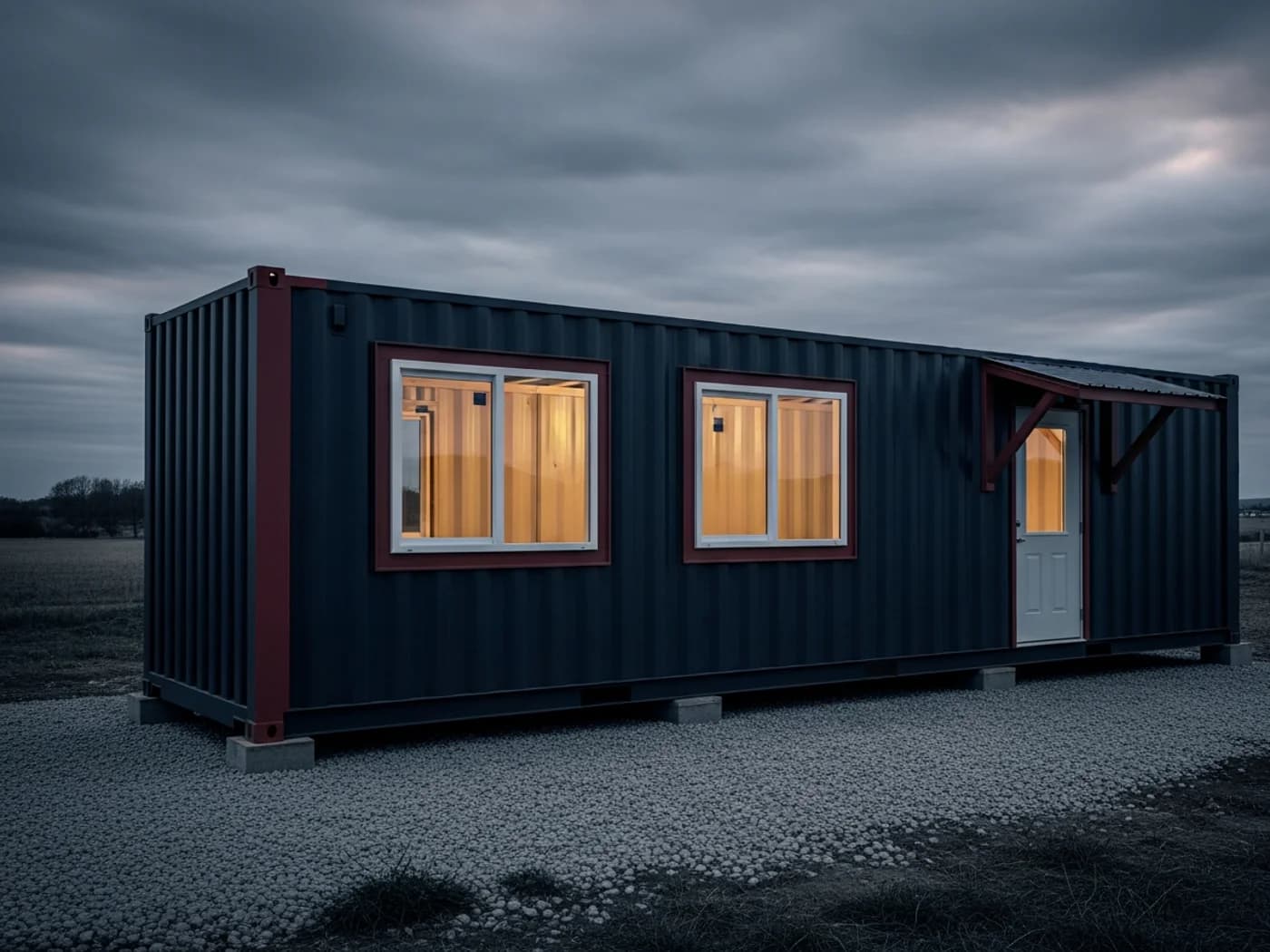
Residential and prosumer
Housing and studio shells
Openings, insulation planning, utility-ready assumptions, and shell handoffs must be scoped before local permitting or finish work begins.
View use caseModified containers start with a use case, a base shell, and a written scope. Plan openings, utility-ready work, insulation, finish, delivery, and handoff boundaries before fabrication begins.
Custom work should be scoped around the finished use, not around a generic parts list. These common directions route to the deeper use-case pages when the buyer already knows the project type.
Residential and prosumer
Openings, insulation planning, utility-ready assumptions, and shell handoffs must be scoped before local permitting or finish work begins.
View use case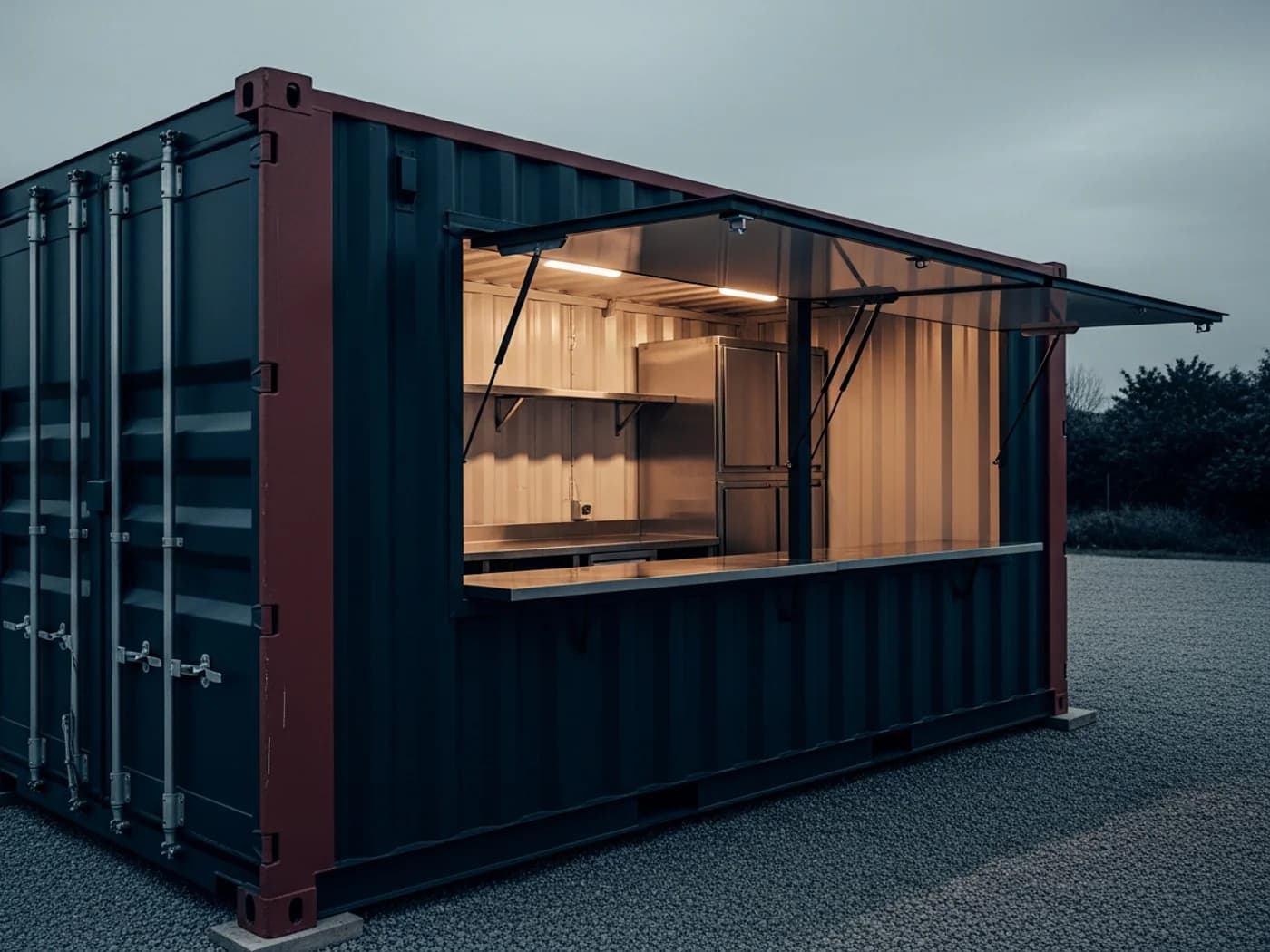
Commercial and events
Customer-facing builds need service windows, counter height, staff flow, storage, lighting assumptions, and opening hardware specified early.
View use case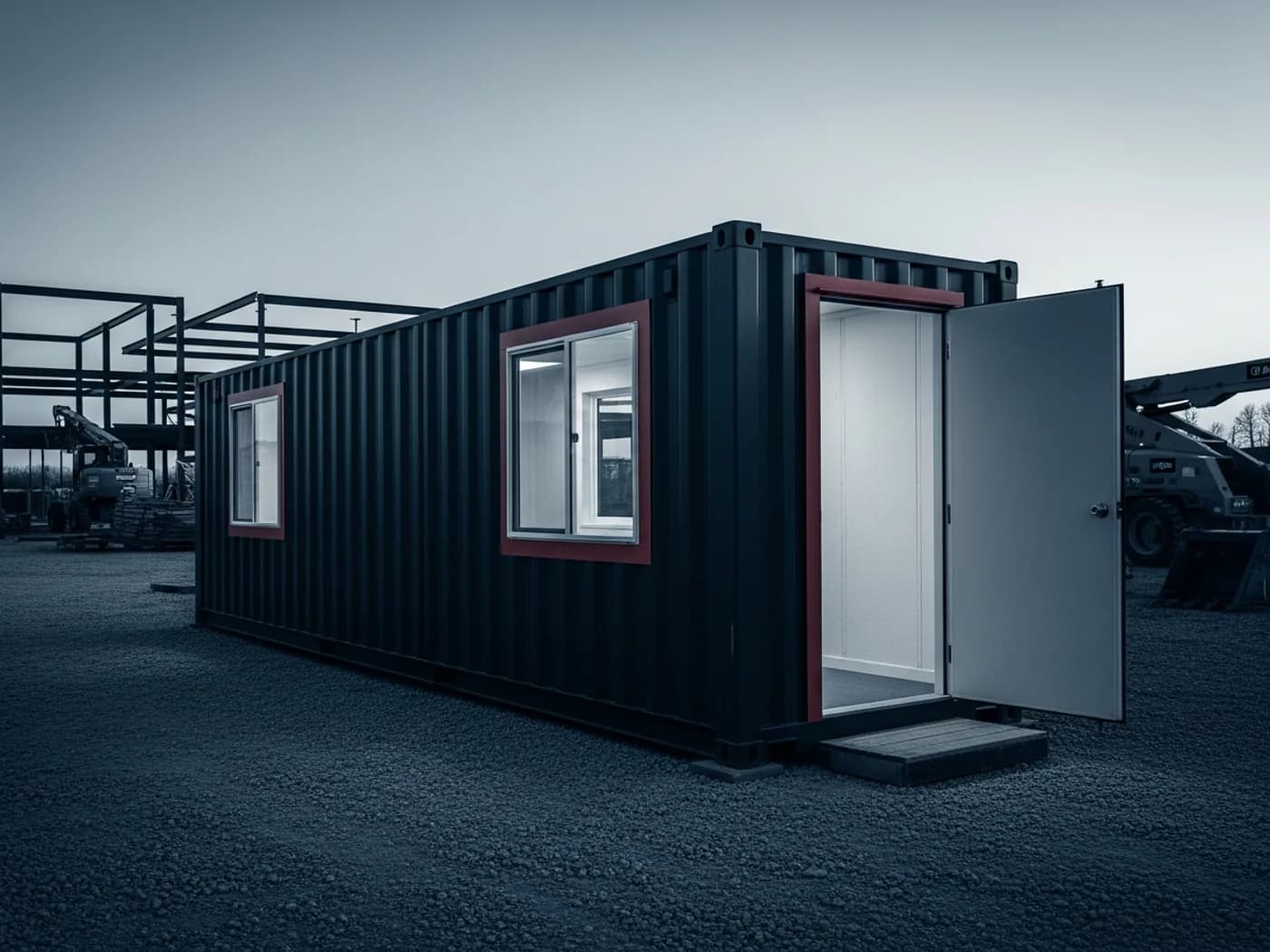
Construction and operations
Office conversions start with personnel access, windows, insulation, electrical-ready layout, desk flow, and site placement constraints.
View use case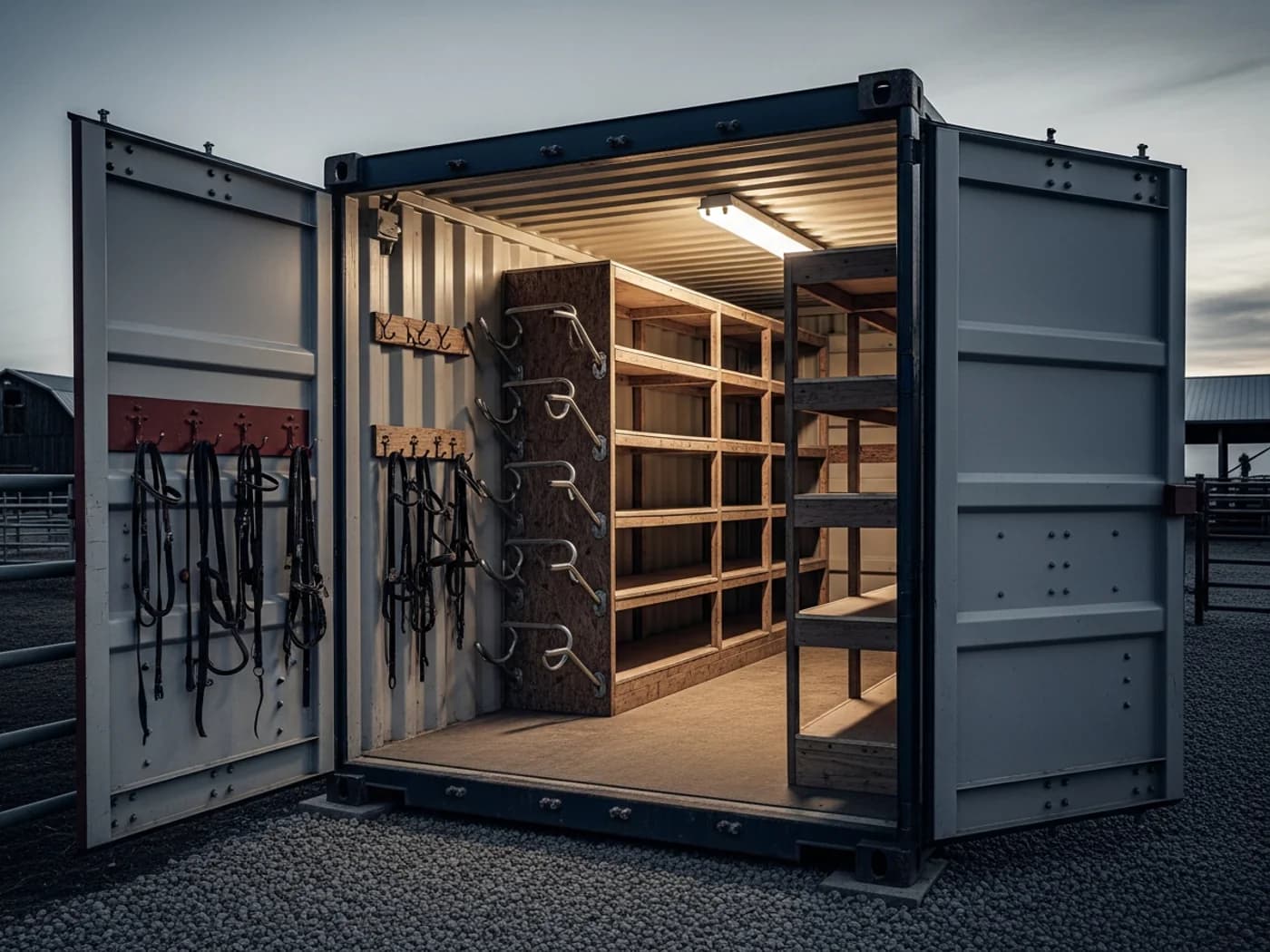
Agricultural and storage
Ranch builds often need organized storage, ventilation, moisture control, shelving, hooks, and durable floors before the unit reaches the site.
View use caseThe catalog is not a checkout menu. It is the set of scope decisions that should be separated before the quote is approved.
Personnel doors, roll-up doors, service windows, side openings, cargo-door strategy, lock points, and weather-seal assumptions.
Office entry, concession window, side-access storage, or equipment bay.
Fixed windows, transaction windows, pass-through counters, shutters, screens, and the framing needed around each opening.
Bars, kiosks, offices, studios, and customer-facing retail builds.
Passive vents, mechanical ventilation planning, condensation management, insulation strategy, HVAC-ready assumptions, and airflow paths.
Tack rooms, offices, chemical-storage planning, and humid-climate use.
Electrical-ready planning for lights, outlets, panels, conduit paths, equipment assumptions, and final work by qualified parties.
Field office circuits, kiosk equipment, lighting, fans, and shop tools.
Wall systems, ceiling finish, insulation, flooring, shelving, partitions, work surfaces, and interior durability expectations.
Office finish, ranch storage, restroom partitions, or workshop layout.
Exterior paint, accent trim, wraps, exterior finish, corrosion touch-up assumptions, and brand-facing details by quoted scope.
Event-facing bar, retail unit, branded field office, or discreet site storage.
Plumbing-path planning, chase locations, fixture assumptions, penetrations, and handoff points for licensed local utility work.
Restrooms, handwash stations, concession support, and washdown use.
Cutouts, reinforcement assumptions, combined-unit concepts, support points, and engineering handoffs when the shell changes materially.
Larger offices, housing shells, connected retail units, and specialty layouts.
A scoped layout for storage, offices, kiosks, tack rooms, restrooms, bars, housing shells, and other specialized workflows.
Turn a rough idea into a room-by-room or zone-by-zone scope.
A written scope that separates the shell, modifications, delivery, site assumptions, exclusions, third-party requirements, and approval checkpoints.
The quote should make the container work, delivery work, and site work distinct.
Lead time depends on inventory, parts, fabrication queue, drawings, approvals, and delivery requirements. The page stays quote-led until FCC approves public lead-time ranges.
Start
Start with what the container must do, where it will sit, how it will be accessed, and whether the build is storage, office, kiosk, restroom, bar, tack room, housing shell, or another specialized workflow.
Discovery
Turn the rough idea into practical choices: size, grade, door direction, openings, traffic flow, utility assumptions, delivery access, budget posture, and timeline.
Quote
Separate the container shell, modification package, finish level, parts, delivery assumptions, exclusions, approval checkpoints, and any third-party work before work starts.
Before fabrication
Approve the written scope, confirm lead-time assumptions, confirm whether drawings or local approvals are required, and lock the commercial path for purchase or approved RTO.
Fabrication
Fabrication follows the approved scope. Finish details, openings, weather seals, hardware, and documented inclusions should be checked against the quote before delivery.
Placement
Confirm access, placement orientation, support points, finished-unit dimensions, and any equipment needed to place the modified container safely.
Public category ranges are deferred until client-approved pricing exists. Until then, the useful guidance is how the written quote should break the project apart.
The quote should separate the shell from the modification package so the buyer can compare One-Trip, Cargo Worthy, Wind & Watertight, standard, and high cube options.
Doors, windows, roll-up doors, service windows, shutters, counters, and lock hardware should be itemized because they drive both labor and parts.
Insulation, wall finish, flooring, shelving, lighting-ready scope, HVAC-ready work, plumbing-ready planning, and equipment assumptions should be written separately.
Delivery, crane needs, foundations, permits, inspections, final utility connections, engineering, and local code work should not be hidden inside the modification line.
The modified-builder page owns the capability and scope conversation. Purchase, rent-to-own, and rental pages still govern the commercial path.
Most modified builds start with a purchased container because fabrication changes the shell before delivery.
Review purchaseRTO may fit when the agreement explicitly approves the modified scope, payoff path, responsibility, and ownership timing.
Review RTOMajor modifications are not normally a rental-fleet fit. Short-term users should confirm accessories or route custom work to purchase or approved RTO.
Compare rentalsContainer Uses pages carry the use-specific planning context. This page carries the modification capability and process.
Use specs to confirm 20-foot, 40-foot, and high cube starting points before the modification package changes the shell.
Check dimensionsModified units can change clearance, weight, placement orientation, crane needs, and support-point planning.
Check deliveryConfirm delivery reach before assuming a finished unit can be routed to the project site on the desired schedule.
Confirm coverageModification inquiries do not fit a simple SKU selector. The strongest request gives FCC the use case, site constraints, and desired handoff clearly.
Start the project briefThese visible FAQ answers are synchronized with the page's FAQPage schema. They avoid pricing, warranty, or code claims that need written approval.
Common modification scopes include personnel doors, roll-up doors, service windows, vents, insulation, electrical-ready planning, HVAC-ready planning, paint, shelving, interior finish, plumbing-ready planning, and specialty layouts. The written quote should confirm the exact shell, parts, exclusions, delivery assumptions, and approval checkpoints.
FCC can use drawings, sketches, photos, equipment lists, or written requirements to scope the container portion of a project. Engineering review, code compliance, permits, inspections, and final utility work may require qualified local professionals and should be called out separately.
FCC has not approved public category price ranges for this page. The honest way to compare modified builds is to separate the base container, openings, utility-ready scope, interior finish, exterior finish, delivery, taxes, and third-party work in the written quote.
Lead time depends on inventory, parts, drawings, approvals, fabrication queue, finish level, delivery distance, and whether third-party work is required. A modified build should not be assumed to move on the same schedule as a stock container unless the quote says so.
Multi-container concepts can be scoped, but they need extra attention to cutouts, reinforcement, support points, weatherproofing, transport, foundation, engineering, and local approval. The quote should identify where FCC's build scope ends and where engineering or site work begins.
FCC can scope electrical-ready, plumbing-ready, ventilation, and HVAC-ready assumptions where appropriate, but final hookups, inspections, utility connections, and local code requirements may require qualified local trades. The written quote should separate ready work from final utility work.
Permits, inspections, foundations, anchoring, utility hookups, accessibility requirements, and local approvals are site-specific. Buyers should confirm those requirements locally, and the FCC quote should state what is included, what is excluded, and what must be handled by others.
Major modifications are typically a purchase or approved rent-to-own conversation because fabrication changes the container shell. Rental users should confirm whether limited accessories are allowed, but should not assume a rental container can be cut, painted, wired, or permanently changed.
Modified builds can start from available container inventory that fits the scope, commonly including One-Trip, Cargo Worthy, or Wind & Watertight options. The right starting point depends on budget, cosmetic expectations, structure, use case, and the modification package.
You can bring a rough idea, detailed drawings, photos, or a use-case description. FCC can help translate the container portion into a practical scope, while engineering, architectural stamps, local permits, and final trade work may require the appropriate local professionals.
Send the intended use, delivery ZIP, preferred size, condition expectations, openings, utility assumptions, finish level, timeline, budget posture, and any drawings or reference images. The first quote conversation should turn those inputs into a written scope.
They can. Added height, openings, exterior features, interior weight, crane needs, placement orientation, and support points can change delivery planning. Review the delivery parameters before assuming a finished modified unit can be placed like a stock container.
Send the intended use, delivery ZIP, base-container preference, openings, finish expectations, utility assumptions, drawings, timeline, and budget posture. FCC can shape the modification scope around the real project before any build commitment.