
Storage Containers For Homes, Jobsites, Farms, And Overflow.
Buy, rent, or rent-to-own 20-foot and 40-foot storage containers for residential yards, contractor jobsites, small-business overflow, farm and ranch equipment, and seasonal gear.
Storage Quote Inputs
Size, condition, purchase model, delivery zip, access path, site rules, security, ventilation, and timing.
A storage container is a steel room delivered to the place you use it.
The right quote starts with the use case, then moves to size, condition, delivery access, security, moisture control, and whether buying, renting, or rent-to-own makes the most sense.
Small-Business Overflow
Backstock, event gear, records, shelving, and seasonal inventory that has outgrown the building.
Seasonal And Recreational
Holiday decor, landscaping equipment, boats, ATVs, RV accessories, and bulky items that rotate by season.
A Better On-Site Option
Compared with a temporary storage pod, a steel container is usually stronger, more durable, and easier to keep on site long term.
Storage changes by property type.
A homeowner, contractor, and ranch operator may all ask for storage, but the access path, appearance needs, contents, and security expectations are different.
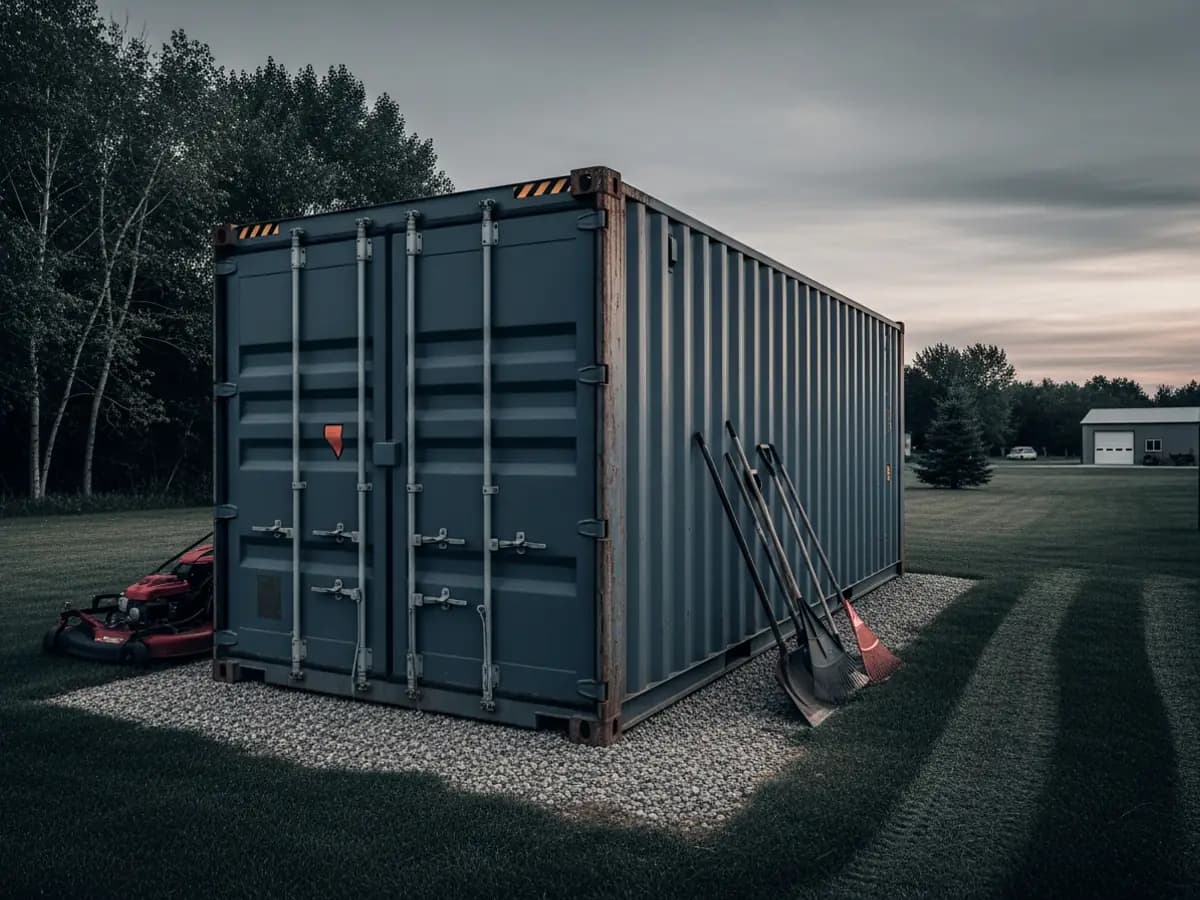
Residential Yard Storage
Seasonal tools, renovation overflow, ATVs, decor, household contents, and mower storage close to the house or shop.
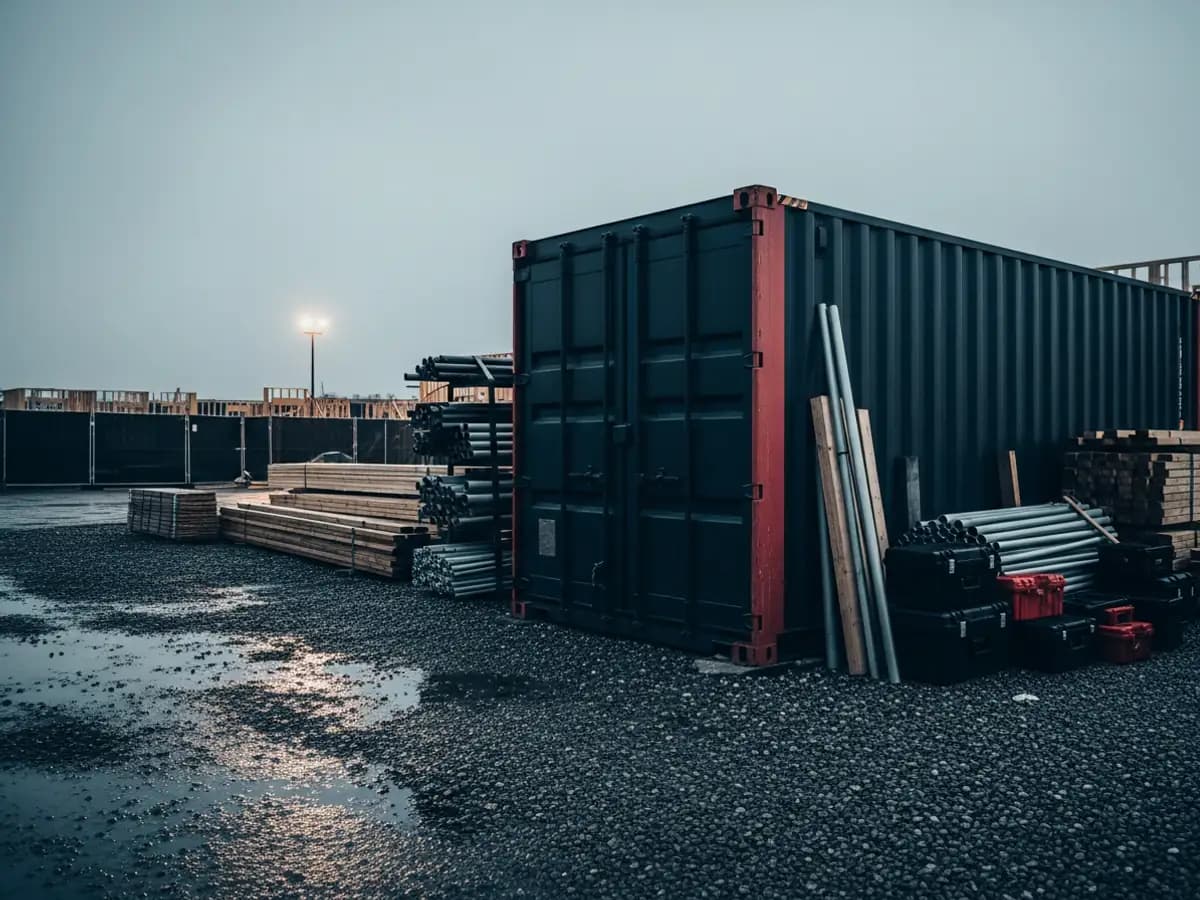
Contractor And Jobsite Storage
Tools, materials, ladders, generators, and jobsite inventory stay locked near the work instead of scattered between trucks.
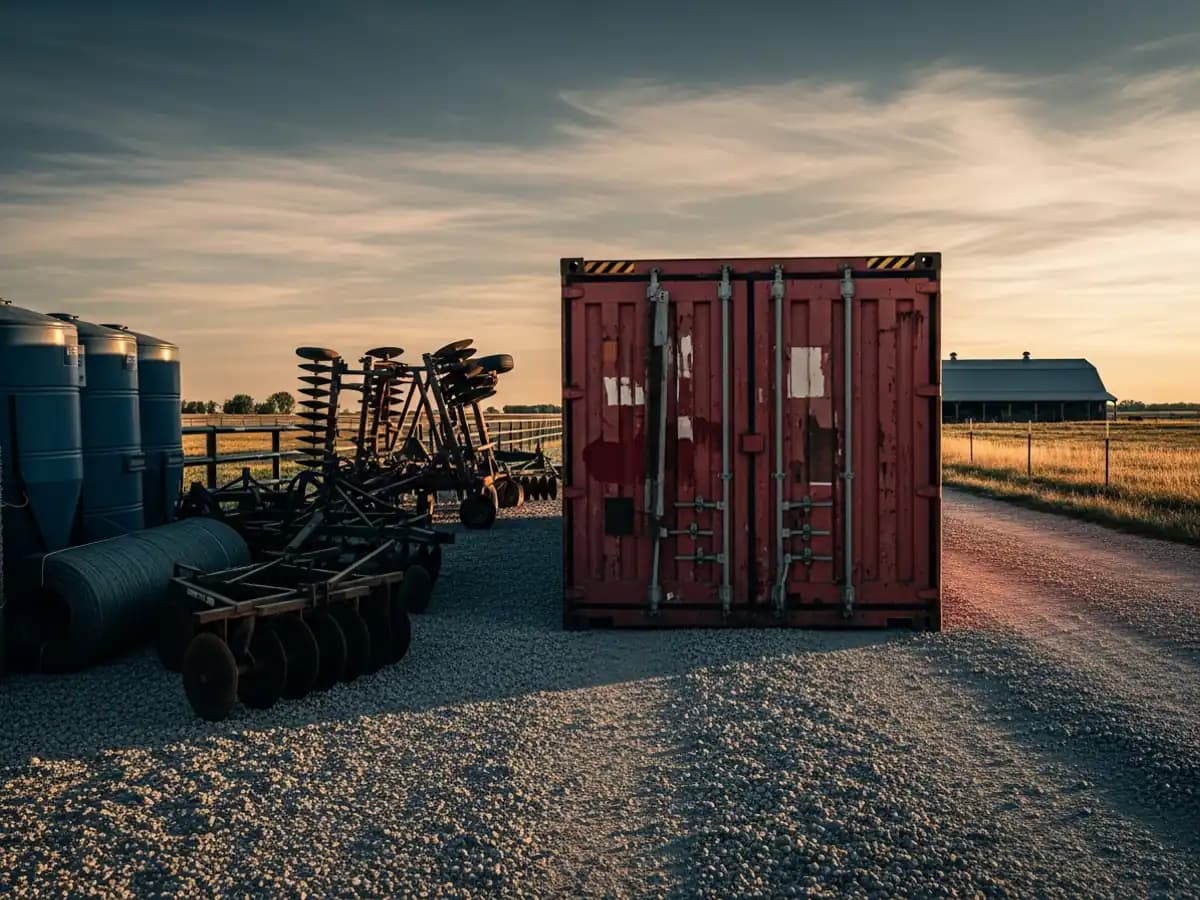
Farm And Ranch Storage
Feed, fencing supplies, implements, parts, seed, equipment, and barn overflow can sit where the work happens.
Condition language should be clear before price.
First-time buyers often compare prices before they understand the grade. For storage, condition decides appearance, expected wear, door/seal confidence, and budget fit.
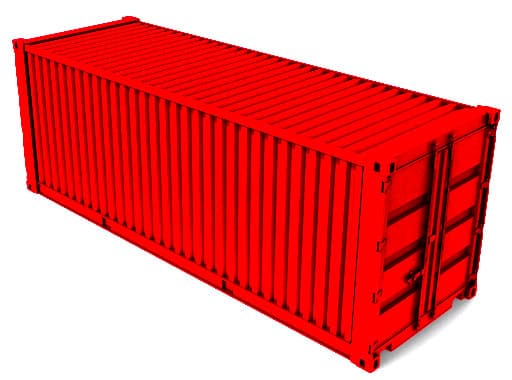
One-Trip
Best for
Appearance-sensitive residential or business placement
Watch for
Higher price; choose when paint, clean exterior, and newer condition matter.
- Newest grade
- Cleanest finish
- Most curb appeal
Cargo Worthy
Best for
Most tool, inventory, contractor, and farm storage
Watch for
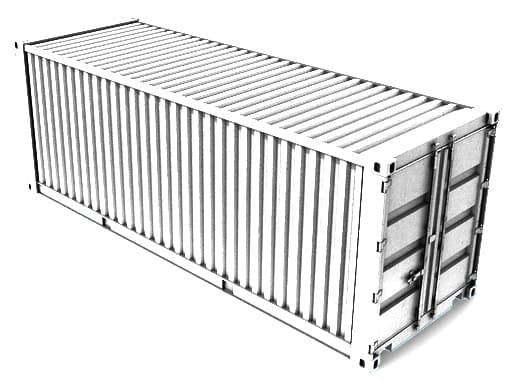
Cosmetic dents and paint wear are normal; inspect door operation and seals.
- Common value pick
- Structurally usable
- Good for working storage
Wind & Watertight
Best for
Budget storage where appearance is secondary
Watch for
Not cargo-certified; confirm floors, doors, seals, and patch history before committing.
- Dry storage focus
- Lower-cost tier
- Cosmetic wear expected
Size Comparison
Pick the box around what has to fit, not just the price.
20-foot container
Compact yards, tools, seasonal gear, 1-2 room moves
40-foot container
Contractor inventory, farm equipment, whole-home overflow
Rooms
2-4 rooms or whole-home overflow
Pallets
Roughly 10-20 pallets by size
Storage
Fewer off-site storage trips
Use size to avoid paying twice.
A 20-foot unit can solve tight residential, tool, and seasonal storage needs. A 40-foot unit fits larger inventories, farm equipment, contractor materials, or whole-home overflow.
Capacity examples are planning references only. Real fit depends on item dimensions, shelving, aisle space, door configuration, and how often you need to access the contents.
Delivery access matters as much as the container.
Storage container delivery is straightforward when the truck path, unload direction, ground support, and local placement rules are known before dispatch.
- Confirm driveway width, gate width, overhead wires, tree limbs, and turn radius.
- Choose level corner supports such as blocks, piers, railroad ties, or compacted gravel.
- Plan door orientation before delivery; moving a loaded container later is harder.
- Check HOA, city, county, or commercial site rules before placement.
Delivery Footprint
Confirm the truck path before the container ships.
Firm approach
Level corner supports
Door swing clearance
Truck unload path
Protect the contents, not just the box.
A steel shell is the start. Locks, airflow, drainage, support points, and modifications determine how well the container works for real storage.
Lockbox Beats A Raw Padlock
A standard padlock is exposed. A lockbox shields the lock body and makes the door hardware harder to attack.
Ventilation Reduces Stale Air
Vents can help airflow for tools, feed, furniture, and long-term contents where temperature swings are expected.
Dry Starts With Grade And Seals
Wind-and-watertight still depends on door seals, roof condition, drainage, and keeping contents off damp floors.
Modifications Can Come First
Ask about vents, lockboxes, shelves, lights, roll-up doors, or personnel doors before the container is delivered.
Match the payment path to the storage horizon.
The right path depends on how long the container stays, whether you need ownership, and whether pickup at the end of a project is part of the plan.
Buy
Best when the container will stay on the property, support recurring work, or replace long-term off-site storage.
Compare PurchaseRent
Best for temporary jobsite storage, renovations, seasonal overflow, and projects with a defined pickup window.
Compare RentalsRent-To-Own
Best when ownership makes sense but spreading payments is more useful than buying outright on day one.
Compare RTO
When Storage Is Really A More Specific Use.
If storage is only part of the job, these pages handle the deeper use cases without forcing this page to become everything at once.
Housing
Container-based living and work space conversions, built to your plan.
See Housing BuildsChemical Storage
Ventilation-ready storage containers scoped around your material and site requirements.
See Chemical StorageTack Rooms
Weatherproof tack rooms for equestrian and ranch storage, set wherever you need them.
See Tack RoomsMobile Offices
Turnkey on-site offices with insulation, electrical, and door/window packages.
See Mobile OfficesBuilt To Suit
Custom modifications — doors, windows, vents, wraps, and electrical — to your exact spec.
See Built To Suit
Common Questions.
Storage buyers need fast access to size, condition, placement, security, moisture, delivery, and payment-path answers without loading the section fully expanded.
01What's the difference between One-Trip, Cargo Worthy, and Wind & Watertight?
One-Trip is the newest and cleanest condition tier. Cargo Worthy is a working-grade container that balances cost and function. Wind & Watertight is usually the budget storage tier, focused on keeping weather out while accepting more cosmetic wear.
02What sizes are available and which one do I need?
Most storage buyers compare 20-foot and 40-foot containers. A 20-foot unit fits tighter residential sites, tools, seasonal gear, and smaller moves. A 40-foot unit is better for larger inventory, contractor materials, equipment, or whole-home overflow.
03Do I need a foundation or can it sit on the ground?
A traditional foundation is not usually required for basic storage, but the container should sit on firm, level support points. Many sites use corner blocks, piers, railroad ties, or compacted gravel so the doors operate correctly and water drains away.
04Can I keep a storage container on residential property?
Often yes, but rules vary by city, county, HOA, and neighborhood. Rural acreage may be simpler than suburban lots. Check local placement, screening, time-limit, and permit rules before scheduling delivery.
05How secure is a shipping container as storage?
The steel shell and cargo doors are strong, but a raw exposed padlock is not ideal. Ask about lockboxes, hardened locks, door condition, and placement so the lock hardware is protected and the container is visible where you can monitor it.
06Can I add ventilation, lighting, or insulation later?
Yes. Vents, lockboxes, shelving, lighting-ready scope, insulation, roll-up doors, and personnel doors can be quoted as modifications. It is usually cleaner to scope common upgrades before delivery.
07Is it better to buy, rent, or rent-to-own?
Buy when the container will stay long term or replace recurring off-site storage. Rent when the need is temporary. Rent-to-own can make sense when ownership is useful but spreading payments is better than buying outright.
08How long does delivery take and what do I need to prepare?
Delivery timing depends on inventory, route, and zip code. Before delivery, confirm the truck approach, overhead clearance, ground condition, door orientation, support points, and any city, HOA, or jobsite access requirements.
09Will my stuff stay dry, or do containers leak or sweat?
Wind-and-watertight containers are intended to keep weather out, but door seals, roof condition, site drainage, and condensation all matter. For moisture-sensitive contents, ask about condition, ventilation, raised storage, and airflow planning.
Quote Prep
Bring the storage details into the first conversation.
20ft or 40ft starting point
Condition preference
Buy, rent, or rent-to-own
Delivery zip and access notes
Site rules or HOA constraints
Security and ventilation needs
Get A Storage Container Quote.
Tell us where you want it, what you're storing, and how soon you need it. We'll send back sizes, conditions, pricing, and delivery options within one business day.