Chemical Storage Containers Scoped Around The Material.
Start with what is being stored, how much, how it must be ventilated or contained, who controls access, and which site or approval requirements must be confirmed before the quote.
Quote Inputs
Material type, approximate quantity, written handling requirements, ventilation needs, containment expectations, access control, and delivery site.
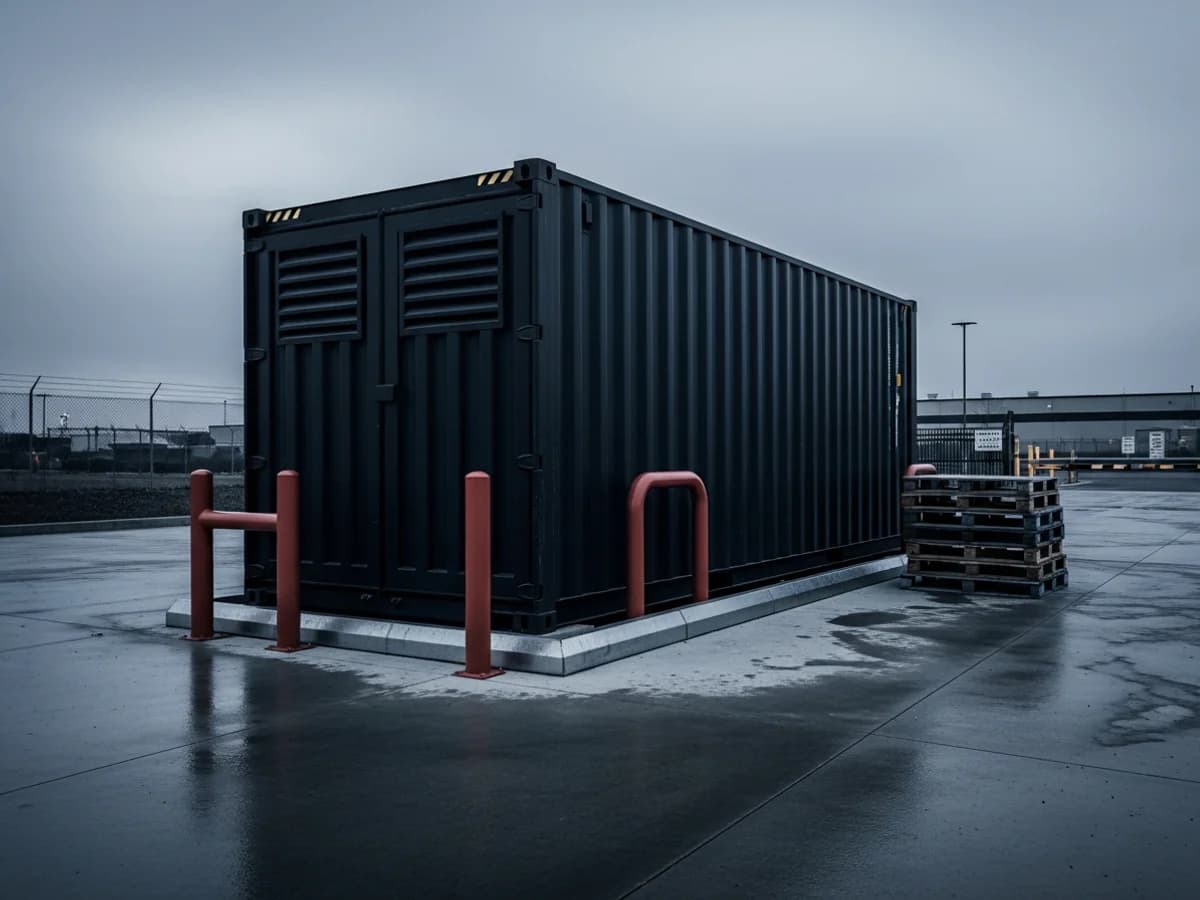
A chemical storage container should be scoped from the material requirements outward.
The container is only one part of the storage plan. The quote should start with the material profile, approximate quantity, ventilation, containment, access control, site conditions, and approval path.
Requirement Flow
Start with the material, then scope the container.
Material
type + handling
Quantity
amount + separation
Ventilation
passive or powered
Containment
plan before quote
Site
access + placement
Approval
local review path
Do not quote chemical storage from the container first.
A steel shell can support controlled storage, but the safe scope depends on what the site needs to store and who is responsible for approving the final operating setup.
Material profile comes first
The same shell can be wrong for two different materials. Start with what is stored, how it is handled, and whether written handling requirements already exist.
Quantity changes the scope
Approximate volume, container contents, separation needs, and refill frequency affect ventilation, access, containment, and placement assumptions.
Ventilation is not one-size-fits-all
Passive vents, powered provisions, openings, and airflow assumptions should follow the documented material and site requirements.
Containment needs ownership
Spill containment expectations should be defined by the responsible safety or compliance party before the container package is priced.
The quote gets better when the constraints are visible.
Chemical storage questions should not stay buried in email attachments. Group them into material, ventilation, containment, access, delivery, and approval categories before pricing.
Material Documents
- Material type
- Approximate quantities
- Handling notes or SDS
- Separation needs
Ventilation Plan
- Passive venting
- Powered provisions
- Opening placement
- Airflow assumptions
Containment Expectations
- Spill-control approach
- Floor assumptions
- Drainage questions
- Inspection access
Access Control
- Cargo doors
- Personnel door
- Lock plan
- Signage area
Facility Delivery
- Gate access
- Escort rules
- Staging space
- Level placement
Approval Path
- Safety review
- Local code
- Fire review
- Facility standards
Separate container scope from compliance ownership.
This page stays careful by design. FCC can price the container and modifications, while site operations and regulatory approval need to be verified by the responsible parties.
- Container Scope
- Shell, condition, doors, vents, lock approach, finish, delivery planning, and quoted modifications that FCC can price directly.
- Facility Scope
- Material handling rules, employee procedures, emergency access, final placement, site signage, and operational controls owned by the site.
- Approval Scope
- Jurisdiction, fire, safety, code, inspection, containment, and compliance decisions that must be verified by the responsible authority or professional.
The Questions That Prevent Overclaiming.
These answers match the page's FAQ schema while loading collapsed so the section stays scannable before buyers open the regulated-use details.
Can a shipping container be used for chemical storage?
A container can be modified for chemical storage workflows, but the final requirements depend on the materials, quantities, ventilation needs, separation rules, local code, and site safety plan.
Is the container automatically compliant?
No. Compliance is not automatic and should not be assumed. Chemical storage requirements vary by material, jurisdiction, use, and authority having jurisdiction. The quote should be scoped against your documented requirements.
What information should I provide before quoting chemical storage?
Provide the material type, approximate quantities, container size preference, ventilation needs, spill containment expectations, site location, access constraints, and any written safety or regulatory requirements you already have.
Can ventilation be added?
Yes. Passive vents, mechanical ventilation provisions, and opening packages can be scoped into the build. The correct approach depends on the stored material and the site requirements.
Can spill containment be included?
Containment requirements vary by material and local rules. FCC can quote container modifications around a containment plan, but the required design should be confirmed by the responsible safety or compliance party.
Can the container be delivered to an industrial site?
Yes, when the site has clear access, a level placement plan, and the receiving team is ready for delivery. Industrial facilities may have gate, PPE, escort, or staging requirements to coordinate in advance.
Commercial Storage And Utility Uses To Compare.
Built To Suit
Custom modifications — doors, windows, vents, wraps, and electrical — to your exact spec.
See Built To SuitStorage
Overflow storage for tools, seasonal gear, and equipment. Delivered ready to lock up.
See Storage ContainersRestrooms
Container restroom builds for jobsites, events, and remote locations, with utilities scoped up front.
See Restroom Containers
Send the requirements you already have.
- Material type
- Approximate quantity
- Handling notes or SDS
- Ventilation needs
- Containment expectations
- Delivery site
Get A Chemical Storage Quote.
Tell us what needs to be stored, where the container is going, and what requirements are already documented. We'll scope the container around those facts and flag what must be verified locally.