
Store
Protect gear, inventory, or ranch supplies
Start here when the container's main job is secure storage near the work, property, or animals.
Start with the job the container needs to perform, then choose the detail page that matches your site, timeline, and modification scope. This hub routes storage, office, housing, event, restroom, power, and built-to-suit projects to the right next step.
Use Finder
Start with the job, then scope the container.
The same steel shell can solve very different problems. These four paths sort the ten container-use pages by buyer intent so the next click is useful.
Store
Start here when the container's main job is secure storage near the work, property, or animals.
Work
Use these paths when people need to work inside the container or manage a site from it.
Serve
Seasonal retail, events, and guest-facing uses need window, counter, utility, and timing decisions earlier.
Specialize
Choose these when the container has a compliance, ventilation, load, runtime, or site-engineering question.
Property owners, business operators, and seasonal teams each need a different path through the container decision. The sections below group the ten use pages around those real-world decisions.
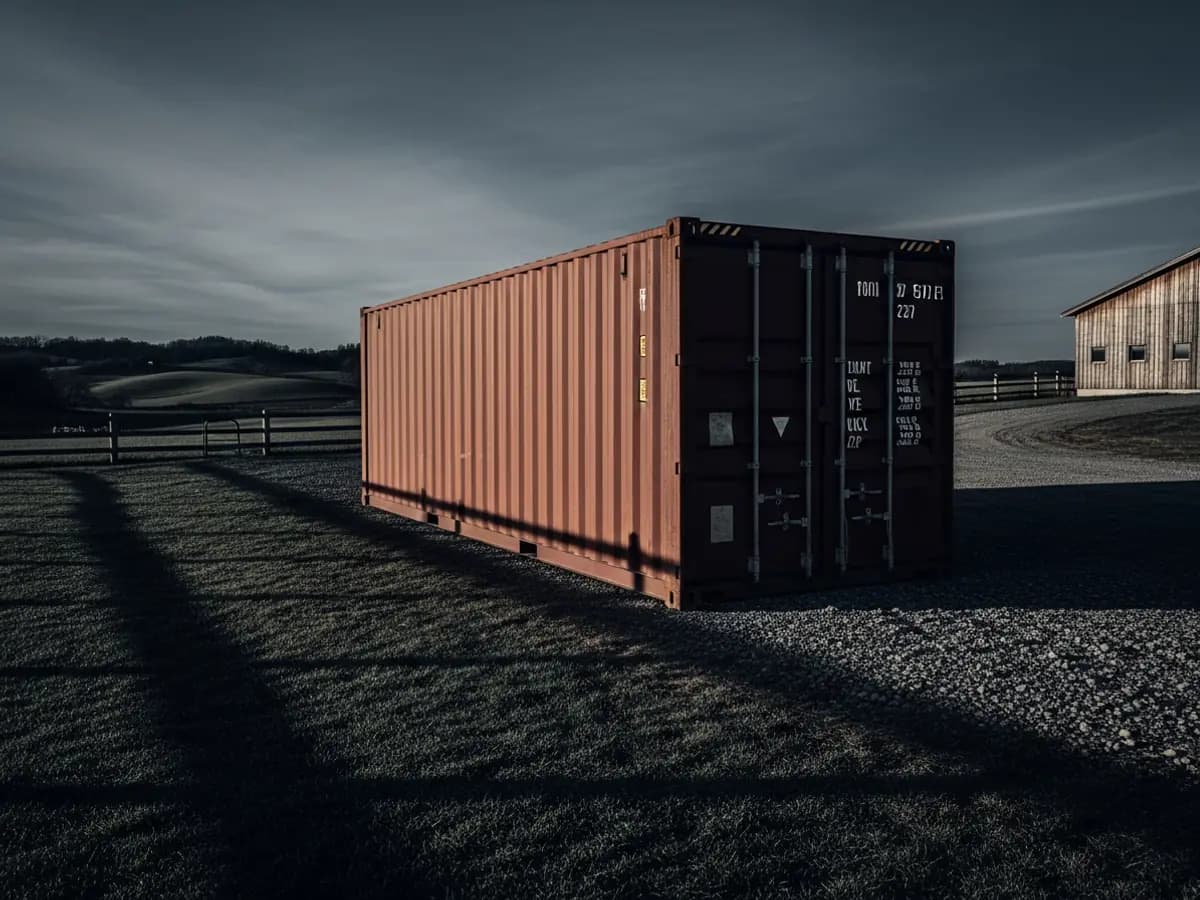
Property Owners
Residential and rural buyers usually need a clean answer on size, placement, access, and how much modification is sensible before spending on a build.
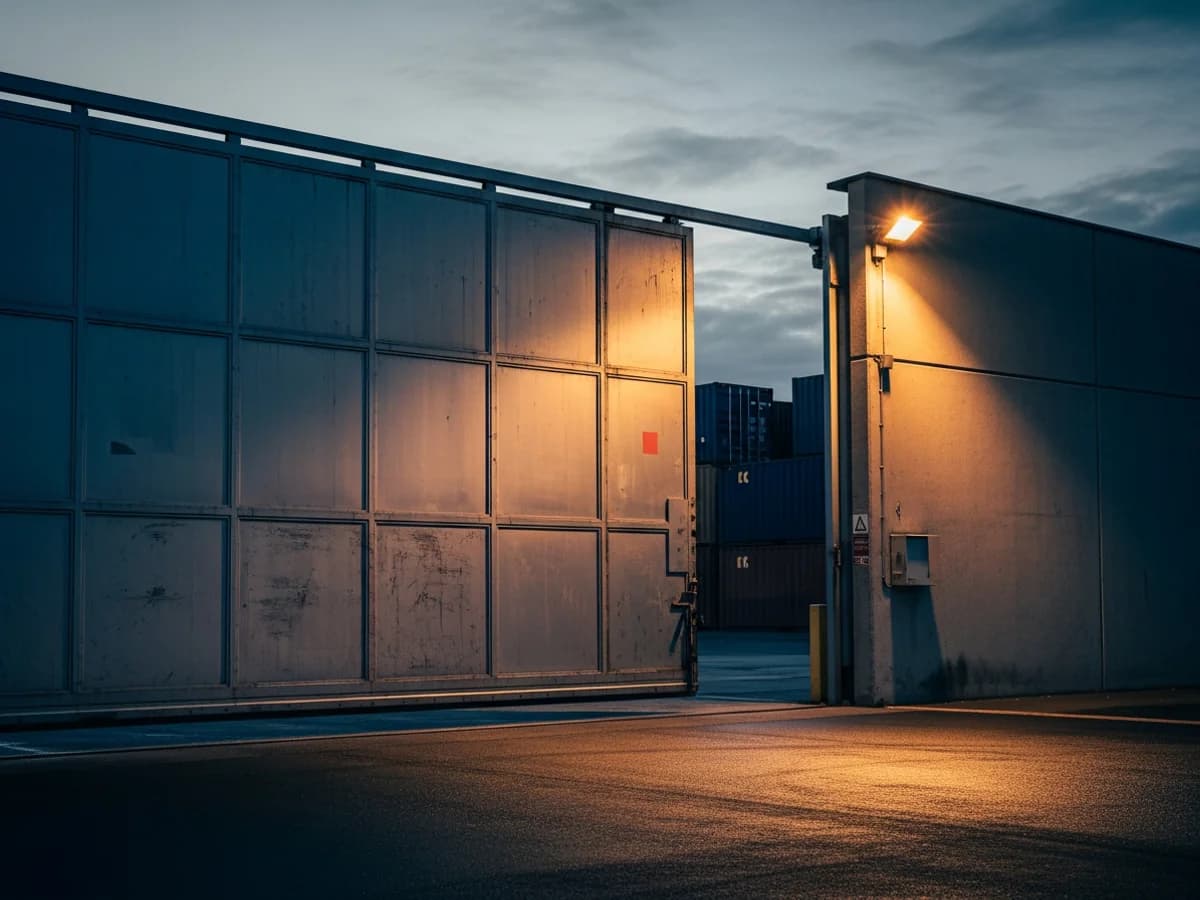
Business Owners
Commercial users need the container to fit a workflow: office layout, secure inventory, specialty storage, power planning, or a custom build scope.
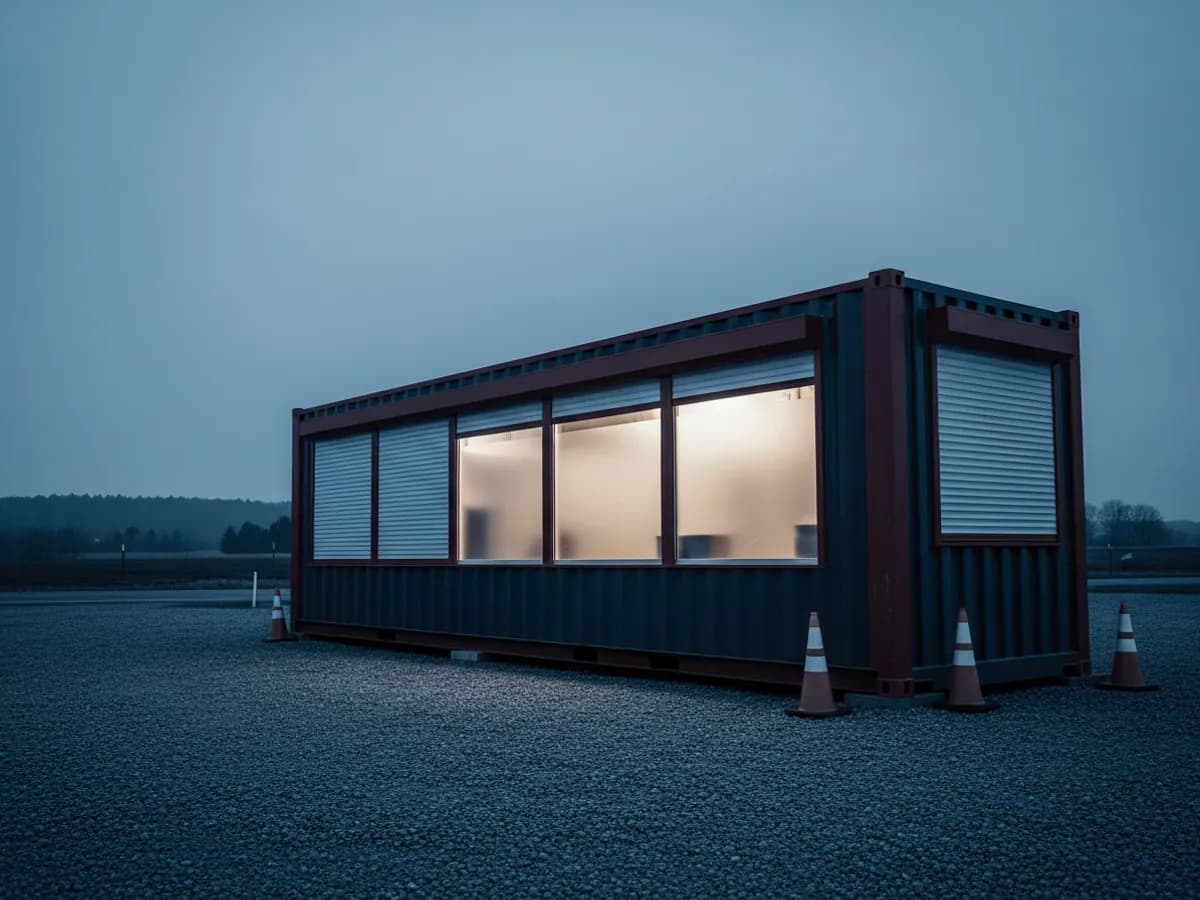
Seasonal And Event
Seasonal containers succeed when service windows, counters, security, utilities, approval timing, and delivery dates are decided up front.
Size and price matter, but they come after use, access, site limits, and modification scope. This is the quick filter that keeps a container project from being under-specified.
Storage, office, retail, restroom, specialty power, or a mixed-use build all change the right starting point.
Doors, roll-up openings, service windows, ramps, and interior flow should be scoped before delivery.
Delivery access, grade, surface, utilities, permits, and local approvals can affect the final recommendation.
The final quote should separate the shell, modifications, delivery, taxes, timing, and third-party work.
Decision Support
Tell us what needs to be stored, sold, powered, occupied, or accessed.
We can route the request to the closest use page, modified build path, or quote conversation.
The use page helps narrow direction. The detail pages and quote request finish the scope with dimensions, modifications, delivery, timing, and site constraints.
Start with the page closest to the job the container must perform. If the project mixes storage, office, retail, or utility needs, start with Built To Suit and describe the combined workflow in the quote request.
Yes. Many projects combine functions such as storage plus office space, retail plus secure inventory, or a tack room plus general ranch storage. The quote should identify the primary use first, then add secondary requirements.
They can. Housing, chemical storage, restrooms, firework stands, public-facing kiosks, and utility-connected builds may involve local permits, inspections, site rules, or qualified third parties. Confirm those requirements before fabrication or delivery.
Many modifications can be scoped before delivery, including doors, windows, vents, insulation, paint, lock boxes, shelving, and electrical-ready work. Final utility connection, code approval, and site work may still require local professionals.
Share the use case, site conditions, timeline, and any modification needs. We'll send back the right container path, delivery considerations, and quote details.